For homeowners who want to handle small repairs themselves, having the right tools is crucial. Not only do the right tools make tasks easier, but they also prevent mistakes and save money on professional services. This guide highlights the must-have tools for DIY home repairs in the U.S.

Why Having the Right Tools Matters
DIY repairs are more effective and safer when you have proper tools. The wrong tool can damage surfaces, make jobs harder, and even cause injuries. A well-stocked toolbox ensures you’re ready for common tasks like fixing leaks, patching drywall, or assembling furniture.
Top Hand Tools for Every Home
- Hammer – Essential for nails, hanging pictures, and small demolition tasks.
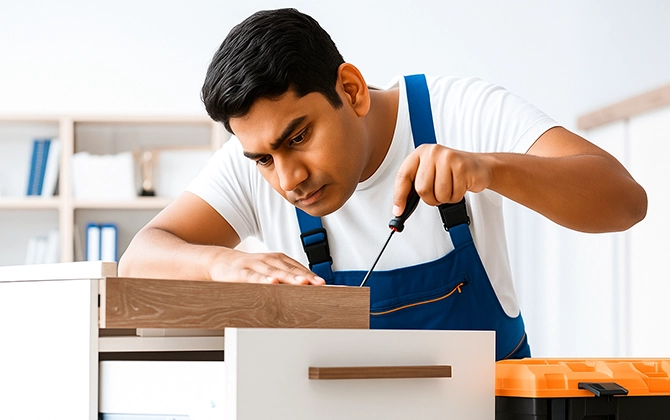
- Screwdrivers – Flathead and Phillips for assembling furniture, fixing cabinets, and removing panels.
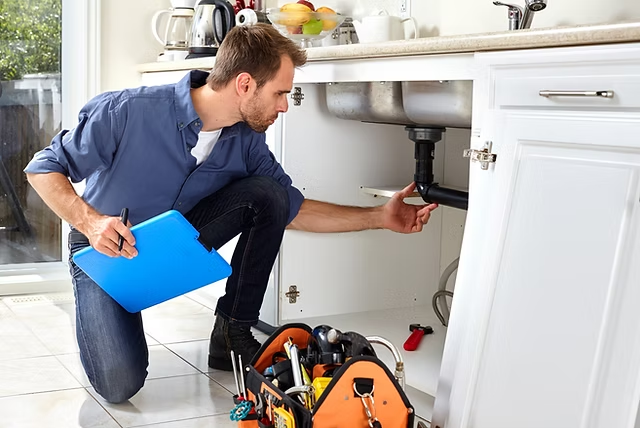
- Adjustable Wrench – Useful for plumbing tasks and tightening bolts of different sizes.
- Pliers – Needle-nose and slip-joint pliers for gripping, twisting wires, or removing nails.
- Tape Measure – Accurate measurements are key for repairs, furniture placement, and home improvement projects.
- Level – Ensures shelves, cabinets, and pictures are straight.
Essential Power Tools
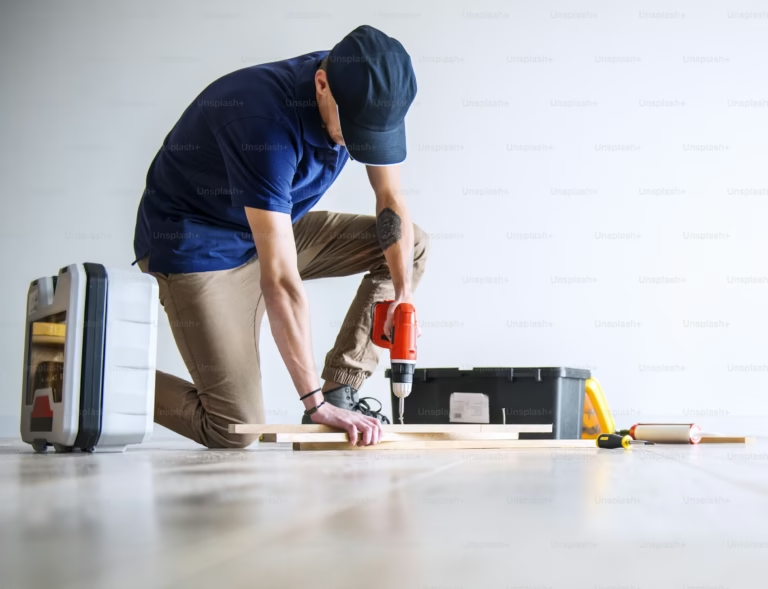
- Cordless Drill – Drilling holes, driving screws, and assembling furniture is faster and easier.
- Circular Saw – Cuts lumber, plywood, and boards for home projects.
- Jigsaw – Great for curved or detailed cuts.
- Sander – Smooths wood, walls, and furniture surfaces for finishing.
- Oscillating Multi-Tool – Versatile for cutting, sanding, scraping, and grinding in tight spaces.
Safety Gear
DIY work can be hazardous. Essential safety equipment includes:
- Gloves – Protect hands from cuts and chemicals.
- Safety glasses – Prevent eye injuries from debris.
- Ear protection – Protect hearing when using power tools.
- Dust mask – Useful when sanding, cutting, or cleaning mold.
Organizing Your Tools
A toolbox or storage system makes tools easy to find:
- Toolboxes – Portable and compact.
- Pegboards – Keep frequently used tools visible and accessible.
- Drawer organizers – Ideal for small items like screws, nails, and washers.
Maintenance Tips for Long-Lasting Tools
- Clean tools after each use.
- Oil moving parts like pliers or wrenches to prevent rust.
- Store in a dry, organized space.
- Replace worn-out tools promptly to maintain efficiency and safety.
Conclusion
Having a well-stocked set of hand tools, power tools, and safety gear is essential for every U.S. homeowner who wants to handle DIY repairs confidently. Investing in quality tools and taking care of them saves time, prevents mistakes, and ensures projects are done right. Start with the basics and gradually expand your toolbox as you take on more home improvement projects.