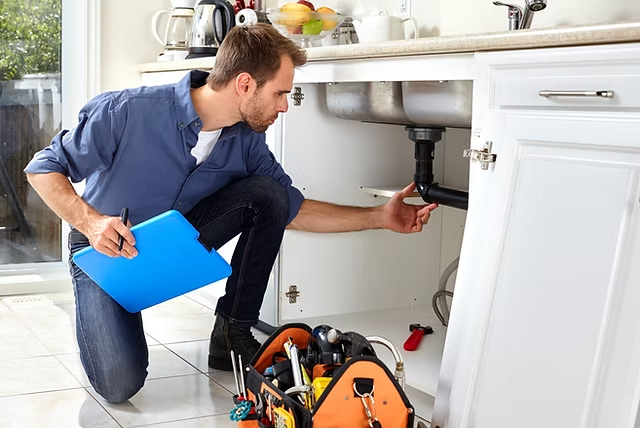
A leaky faucet might seem like a minor annoyance, but it can waste hundreds of gallons of water per year and drive up your water bill. The good news? Most faucet leaks are easy to fix with basic tools and some DIY know-how. In this guide, we’ll walk you through everything you need to know to stop that drip, save money, and prevent future leaks.
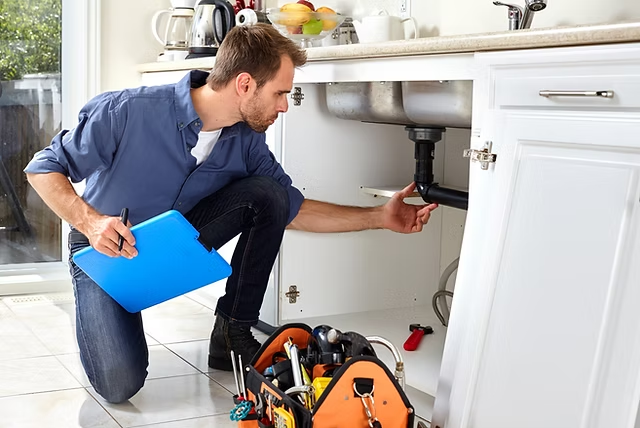
Why Faucets Leak
Faucets can leak for several reasons, and understanding the cause is the first step toward fixing it. Common reasons include:
- Worn-out washers or seals – Over time, the rubber or silicone washers that seal water flow can deteriorate.
- Corroded valve seats – Mineral buildup can cause leaks where the faucet meets the sink.
- Loose or damaged parts – Screws, nuts, or cartridges can become loose, causing drips.
- High water pressure – Excessive pressure can stress faucet components, leading to leaks.
By identifying the type of faucet and the source of the leak, you can choose the right repair method.
Types of Faucets in U.S. Homes
Before starting repairs, it’s essential to know your faucet type. The most common ones include:
- Compression Faucets – Traditional faucets with separate handles for hot and cold water. Drips usually come from worn washers.
- Cartridge Faucets – Use a cartridge that moves up and down to control water flow. Leaks often come from a damaged cartridge.
- Ball Faucets – Common in kitchens with a single handle. A ball inside controls flow and temperature; worn parts can cause drips.
- Ceramic Disk Faucets – Have a ceramic cylinder to control water. Durable, but leaks can occur if the cylinder wears out.
Identifying your faucet type ensures you have the right replacement parts and tools.
Tools You’ll Need
Most faucet repairs require just a few basic tools. Here’s what you’ll likely need:
- Adjustable wrench
- Screwdrivers (flathead and Phillips)
- Allen wrench (for some single-handle faucets)
- Replacement washers, O-rings, or cartridges (specific to your faucet type)
- Plumber’s grease
- Towel or small container (to catch any water)
Step-by-Step Repair Instructions
Here’s a general guide to fixing a leaky faucet. Adjust steps based on your faucet type.
Step 1: Turn Off the Water Supply
Locate the shut-off valves under the sink and turn both the hot and cold water off. Open the faucet to release any remaining water.
Step 2: Remove the Faucet Handle
- For compression faucets, use a screwdriver to remove the handle screw.
- For single-handle faucets, you may need an Allen wrench to loosen the set screw.
Step 3: Disassemble the Faucet
- Carefully remove washers, O-rings, and cartridges.
- Note the order of parts; taking a photo can help you remember.
Step 4: Inspect and Replace Worn Parts
- Check washers and O-rings for cracks or wear.
- Examine cartridges or ceramic disks for damage.
- Replace any worn or damaged parts with new ones from a hardware store.
Step 5: Clean and Lubricate
- Remove mineral deposits with vinegar if necessary.
- Apply a thin layer of plumber’s grease to O-rings and moving parts.
Step 6: Reassemble the Faucet
- Reverse the disassembly steps carefully.
- Ensure everything is tightened but not over-tightened, which can cause damage.
Step 7: Turn On Water and Test
- Turn the water supply back on slowly.
- Check for leaks. If dripping persists, double-check that parts are seated correctly.
Safety Tips
- Always turn off water before disassembling the faucet.
- Avoid using excessive force, which can crack components.
- If your faucet has complex plumbing connections, consider wearing gloves to protect your hands.
Preventive Maintenance
To avoid future leaks:
- Replace washers and O-rings every few years.
- Keep faucet aerators clean to prevent mineral buildup.
- Avoid turning handles with excessive force.
- Check for leaks periodically, especially in older faucets.
When to Call a Professional
Some leaks are more complex than a simple DIY fix. Consider calling a plumber if:
- The leak persists after replacing washers or cartridges.
- You notice corrosion inside pipes.
- The faucet is old and requires frequent repairs.
- You detect water damage under the sink.
A licensed plumber can ensure the problem is resolved without causing further damage.
Conclusion
Fixing a leaky faucet is one of the simplest and most cost-effective home repairs. With the right tools, parts, and step-by-step instructions, most homeowners in the U.S. can handle it themselves. Regular maintenance and careful use can prevent future leaks and save both water and money. So grab your wrench, tighten those parts, and say goodbye to that drip!

Related Posts